Blown-In vs. Spray Foam Insulation for Southeast Texas Homes
Published: July 2026 | 6 Min Read
When homeowners in Beaumont, Vidor, Orange, and Port Arthur decide to fix an uncomfortable, expensive-to-cool house, they almost always land on the same fork in the road: blown-in insulation or spray foam? Both are excellent products, but they work in fundamentally different ways and shine in different situations. Here's how to choose the right one for a Southeast Texas home.
How Each One Actually Works
Blown-In Insulation
Blown-in insulation — loose-fill cellulose or fiberglass — is mechanically blown across your attic floor to form a thick, seamless blanket. It rests on top of the ceiling, slowing heat as it tries to move between the attic and your living space. It's fast to install, fills irregular gaps that batts miss, and delivers the best value per unit of R-value.
Spray Foam Insulation
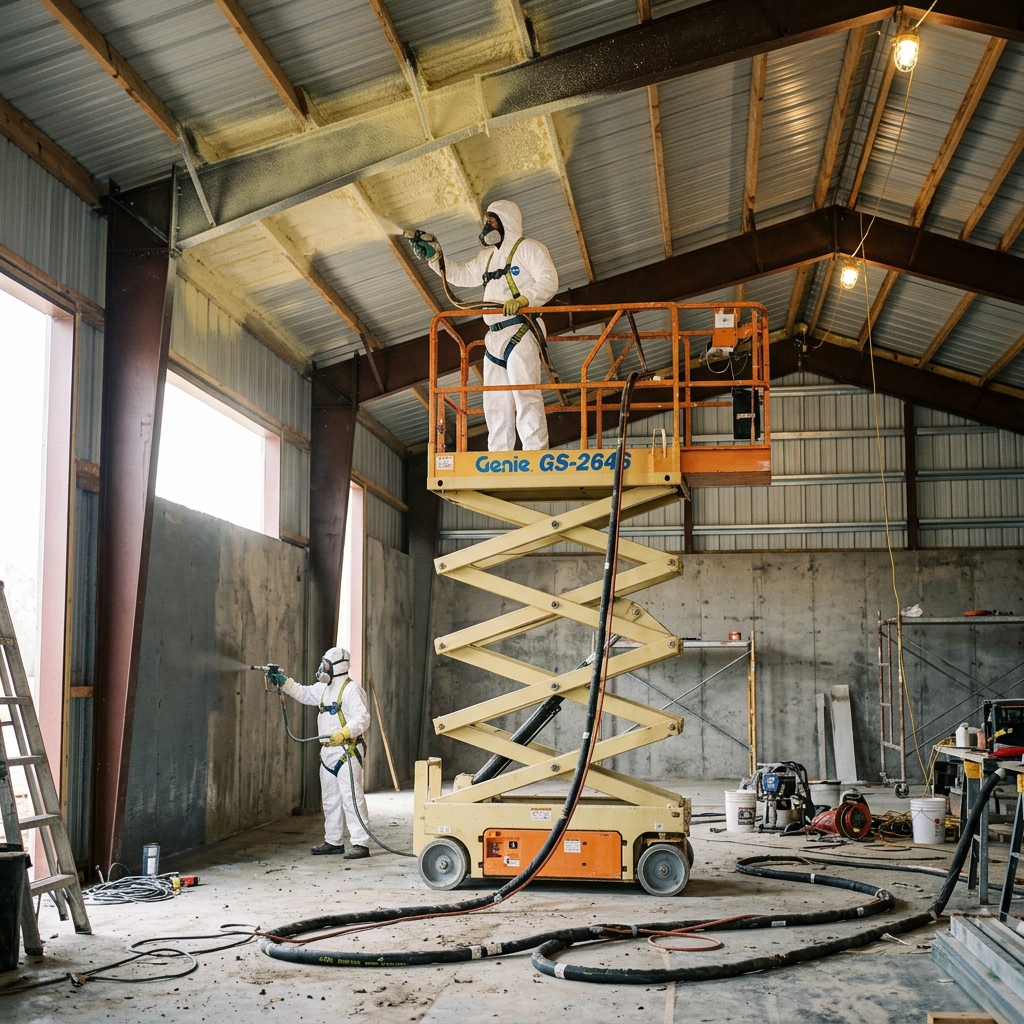
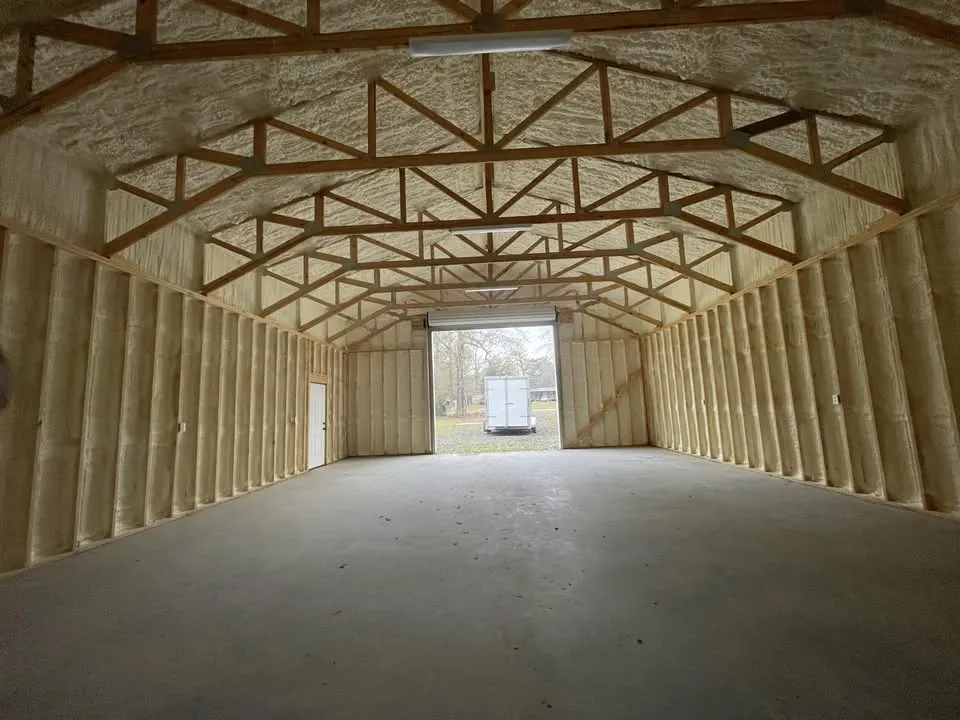
Spray foam is applied as a liquid that expands and hardens in place. Instead of sitting on the attic floor, it's typically sprayed onto the underside of the roof deck, sealing the attic into the home's conditioned envelope. Open-cell foam is lighter and great for soundproofing; closed-cell foam is dense, delivers about R-7 per inch, and doubles as a vapor barrier.
Head-to-Head for Our Climate
Humidity & Moisture Control
This is where Southeast Texas changes the math. Blown-in insulation slows heat but does nothing to stop humid air from moving through the attic. Closed-cell spray foam seals the roofline and blocks moisture entirely — a major advantage in a region where mold and mildew are constant threats. Winner for moisture: spray foam.
R-Value & Energy Performance
Closed-cell foam has the highest R-value per inch and, because it seals air leaks and conditions the attic, it usually produces the deepest energy savings. Blown-in performs well when installed to the right depth, but air can still move around it. Winner for performance: spray foam (with blown-in a strong value option).
Ductwork Temperature
Most Texas homes run HVAC ducts through the attic. With blown-in on the floor, that attic still bakes at 130°F+ and your ducts fight it all day. Spray foam on the roof deck brings the attic down close to indoor temperature, so your ducts stop losing energy. Winner: spray foam.
Upfront Cost
Blown-in is significantly more affordable to install and is ideal for topping off an existing attic. Spray foam costs more up front but returns more over time. Winner for budget: blown-in. For a full breakdown, see our Beaumont attic insulation cost guide.
Which Should You Choose?
Choose blown-in insulation if: you want the most cost-effective way to boost a thin attic, your existing insulation just needs a top-off, or you're working within a tighter budget.
Choose spray foam if: you struggle with humidity and mold, your ductwork runs through a scorching attic, you own a metal building or barndominium, or you want the maximum long-term energy savings and a sealed, conditioned attic.
Consider both: some homeowners seal the roof deck with foam and still use blown-in in specific areas for a balanced, budget-conscious system. There's no one-size-fits-all answer — the right call depends on your home, your goals, and your budget.
Not sure where your home lands? Explore our attic insulation services and spray foam options, or just let us take a look. A free inspection removes all the guesswork.
Let's Find the Right Fit for Your Home
Serving homeowners across Beaumont, Vidor, Orange, Port Arthur, and the Golden Triangle.
Get Your Free Estimate